2026-8-8
Exploring Frontier Interdisciplinary Research and Innovation: Symposium on Embodied Intelligence and Industrial Software Successfully Held
The eight presentations ranged from perception and cognition, algorithms and solvers, and multiphysics simulation to hardware platforms such as robots, motors, and intelligent joints. Together, they demonstrated the complete chain of interdisciplinary research in embodied intelligence and industrial software—from underlying computing technologies to manufacturing applications.
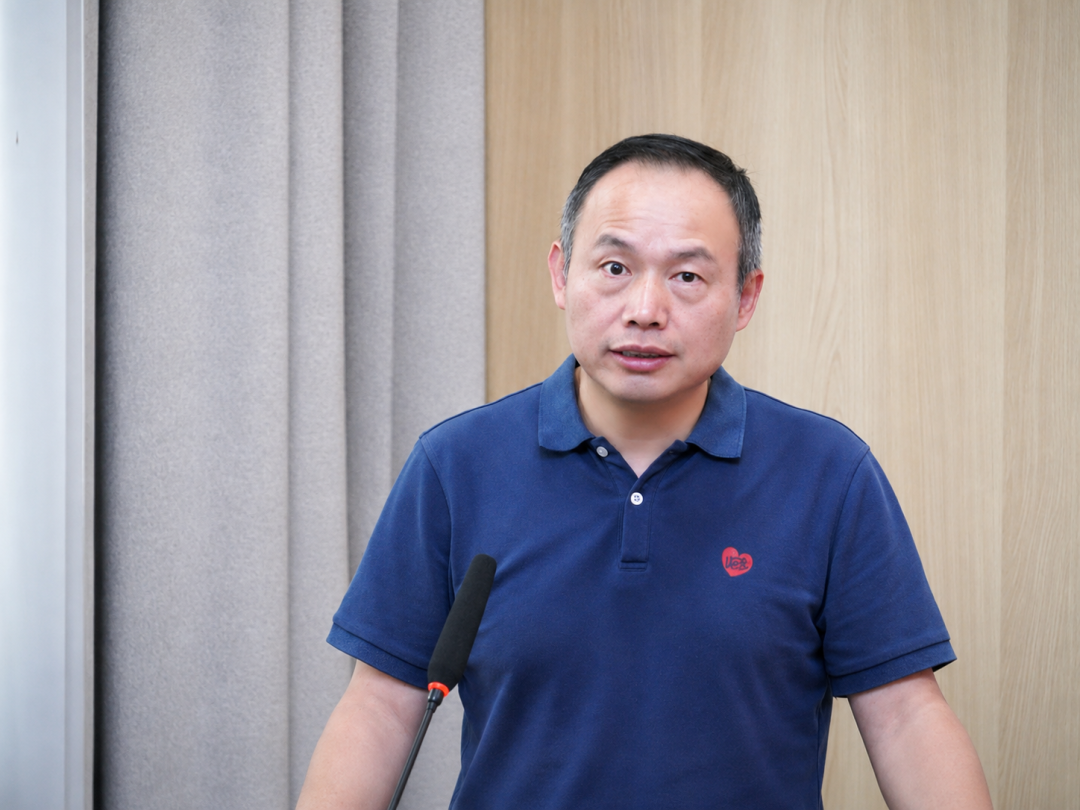
During the opening remarks, Professor Cheng Hong, Dean of UESTC’s School of Mechanical and Electrical Engineering, stated that scientific research should address real-world needs, solve genuine problems, and promote the integration of foundational algorithms, software platforms, and engineering applications.
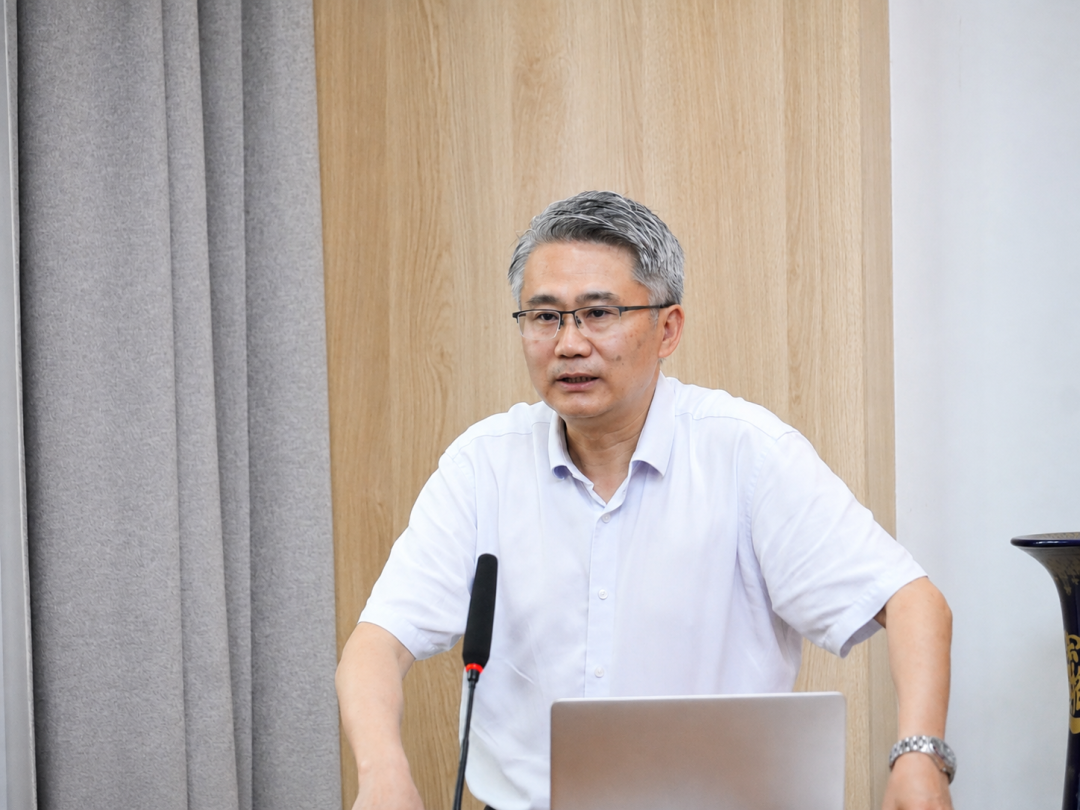
Professor Li Bin, Dean of UESTC’s School of Electronic Science and Engineering, noted that embodied intelligence is inherently interdisciplinary and requires coordinated efforts across multiple disciplines. Universities should build on their disciplinary strengths to serve national strategic needs, promote the independent development and control of core industrial software, and strengthen research into key areas such as foundational algorithms, computing platforms, and engineering software.
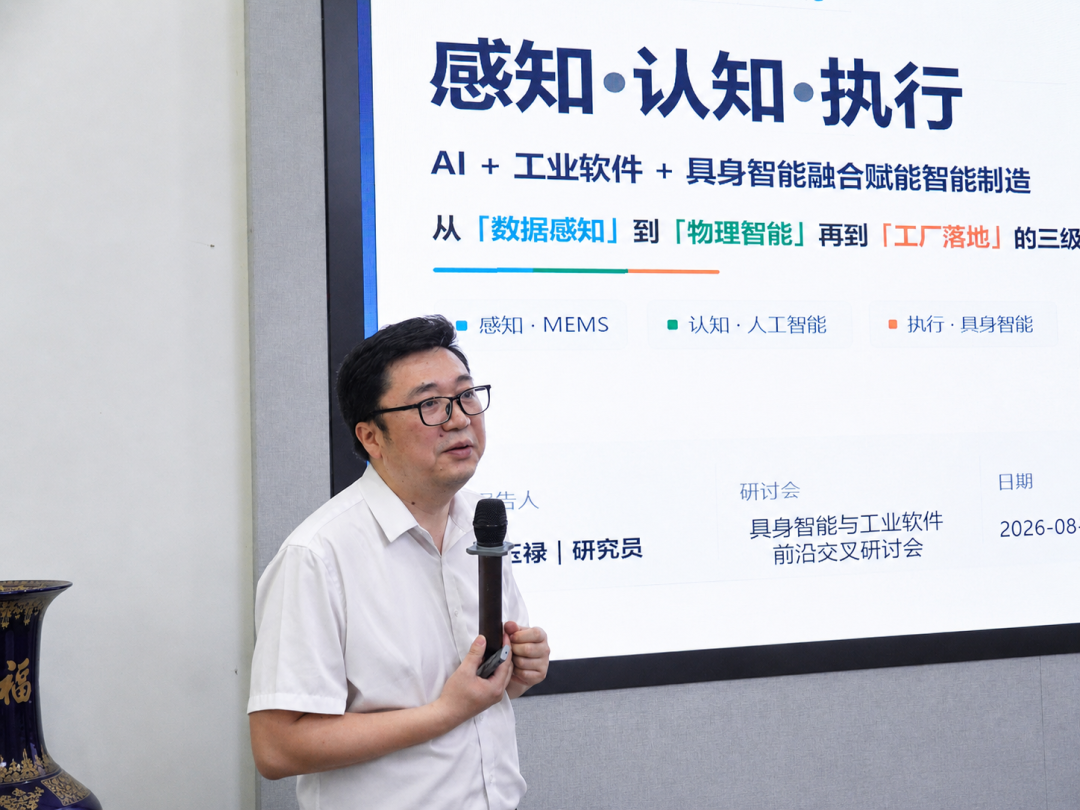
In the academic presentation session, Researcher Hu Yulu, Deputy Director of the UESTC Industrial Software Research Institute, delivered a report titled Perception, Cognition, and Execution: AI + Industrial Software + Embodied Intelligence for Intelligent Manufacturing. Starting from the perception–cognition–execution chain of intelligent agents, he introduced how multiphysics industrial software supports environmental perception, as well as the application of physical AI and digital twins in model training and cognitive decision-making. He also explained how manufacturing execution systems, specialized agents, machine vision, and human–machine collaboration can form a closed loop for intelligent manufacturing.
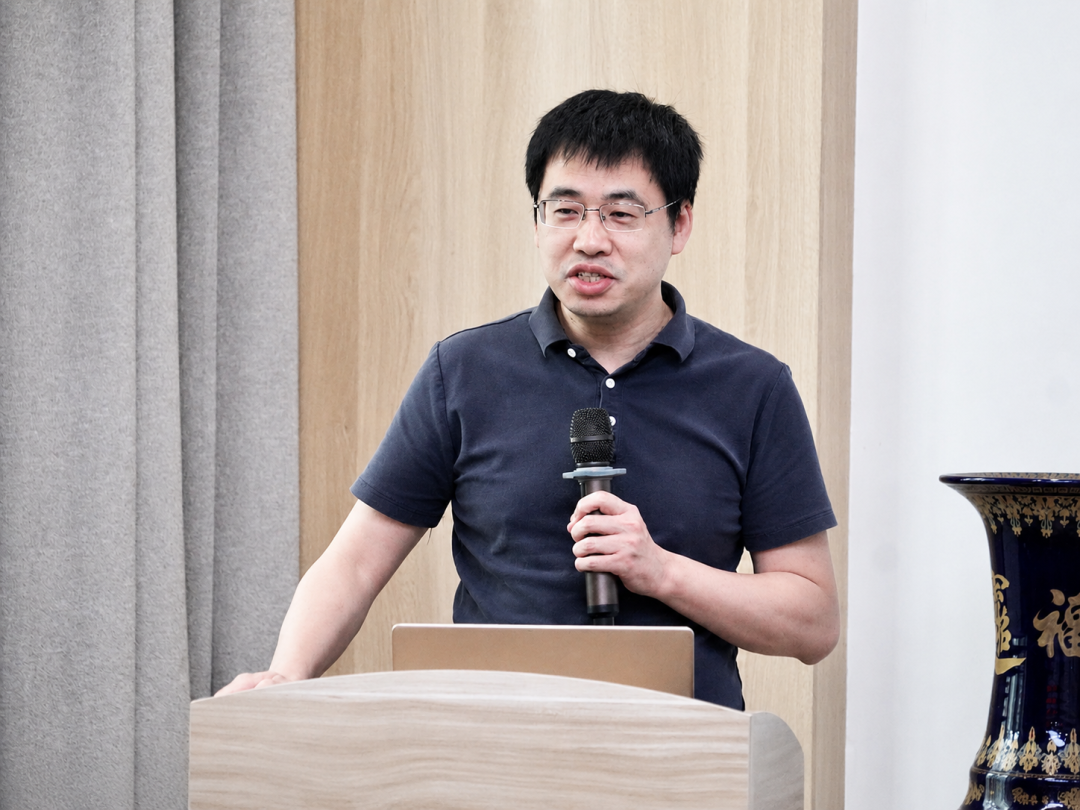
Professor Xu Li of UESTC presented Latest Research Progress of the Yaoguang Electromagnetic Integrated Simulation Software, 2026 R1 Edition. He introduced upgrades to the independently developed “Yaoguang” electromagnetic simulation software, including adaptive meshing, coordinated geometric and physical-field driving, and refined curved-surface processing. He also demonstrated its progress in addressing complex electromagnetic engineering problems through capabilities such as ultra-wideband frequency sweeps, multi-excitation optimization, batch multi-port operating-condition solutions, and electromagnetic–thermal–structural coupling.
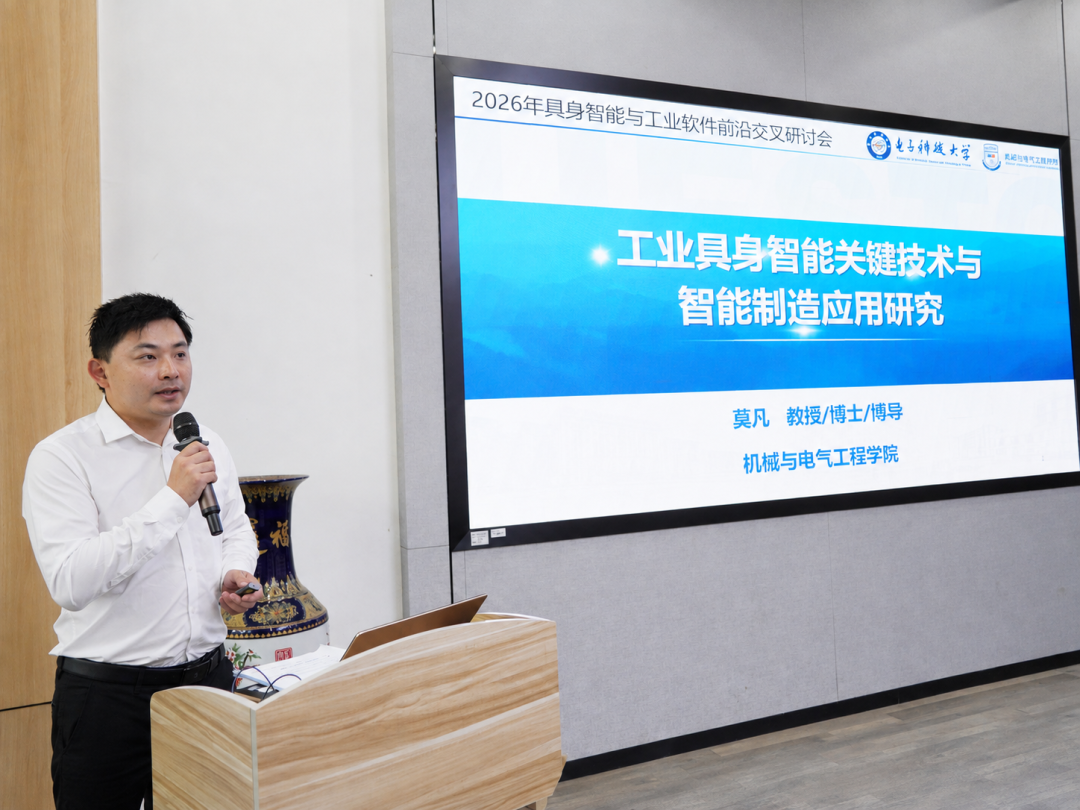
Professor Mo Fan of UESTC delivered a report entitled Key Technologies for Industrial Embodied Intelligence and Research on Intelligent Manufacturing Applications. Addressing the needs for flexibility, digitalization, and autonomy in manufacturing systems, the report used robots as embodied carriers to outline a five-level technology framework covering perception, modeling, decision-making, control, and applications. It further discussed multimodal perception, physically consistent world modeling, intelligent decision-making, high-precision dynamic control, and human–machine collaboration.
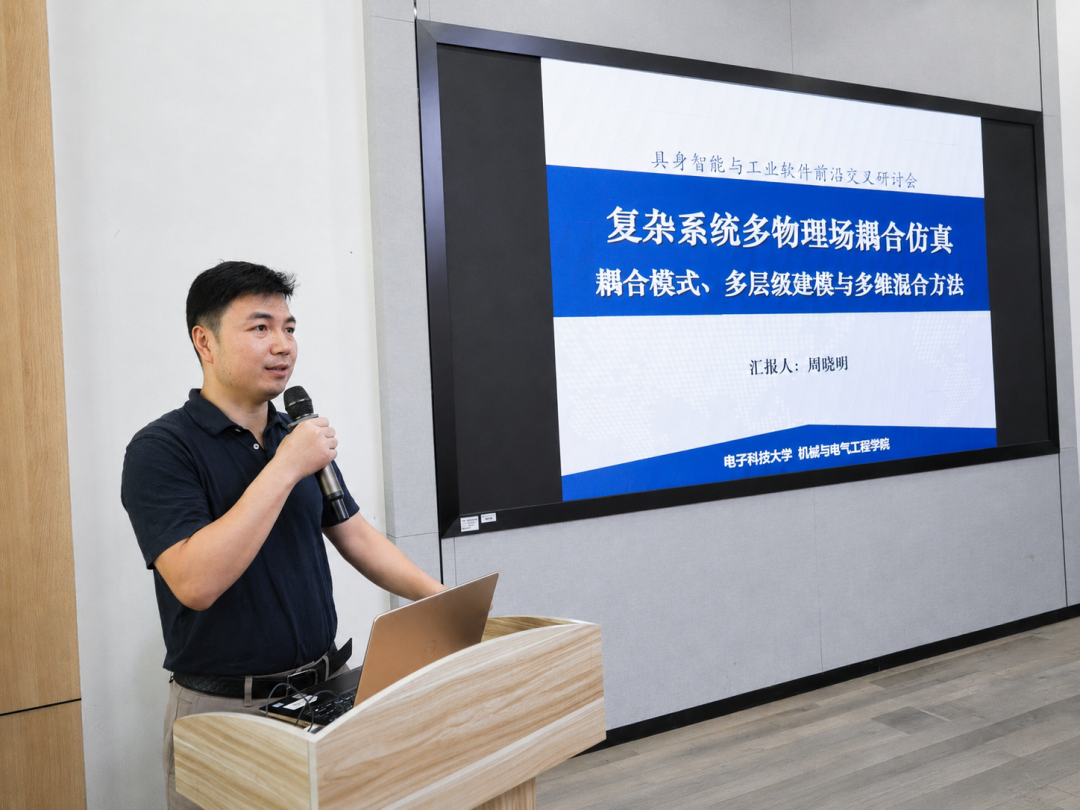
Professor Zhou Xiaoming of UESTC presented Multiphysics Coupling Simulation of Complex Systems: Coupling Modes, Multi-Level Modeling, and Multi-Dimensional Hybrid Methods. He introduced solution modes such as weak coupling, tight coupling, full coupling, and hybrid coupling for cross-scale and cross-level analysis of complex systems. The report also discussed multi-level multiphysics modeling, hybrid-dimensional modeling, and model-order reduction methods.
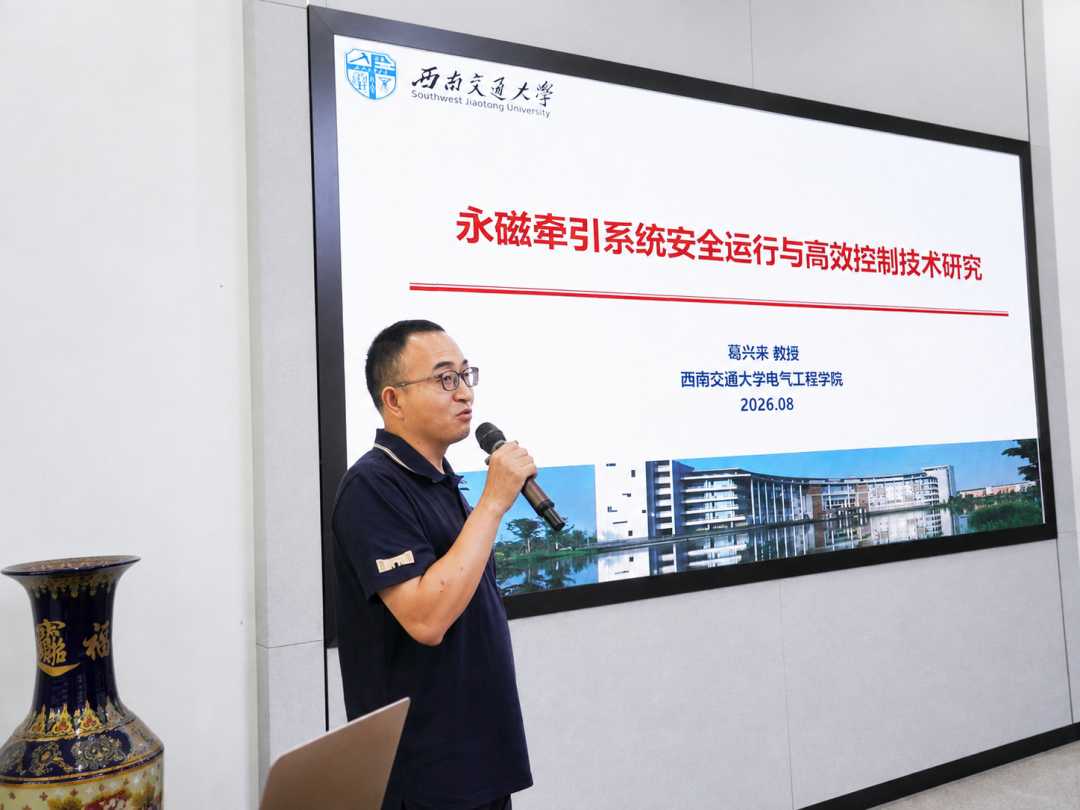
Professor Ge Xinglai of Southwest Jiaotong University gave a presentation titled Research on Safe Operation and Efficient Control Technologies for Permanent-Magnet Traction Systems. Focusing on safety and efficiency challenges under fault conditions, sensorless operation, current harmonics, and inverter dead-time effects, he introduced relevant modeling and mechanism-analysis methods. The presentation covered fault diagnosis, sensorless control, harmonic suppression, and online dead-time compensation.
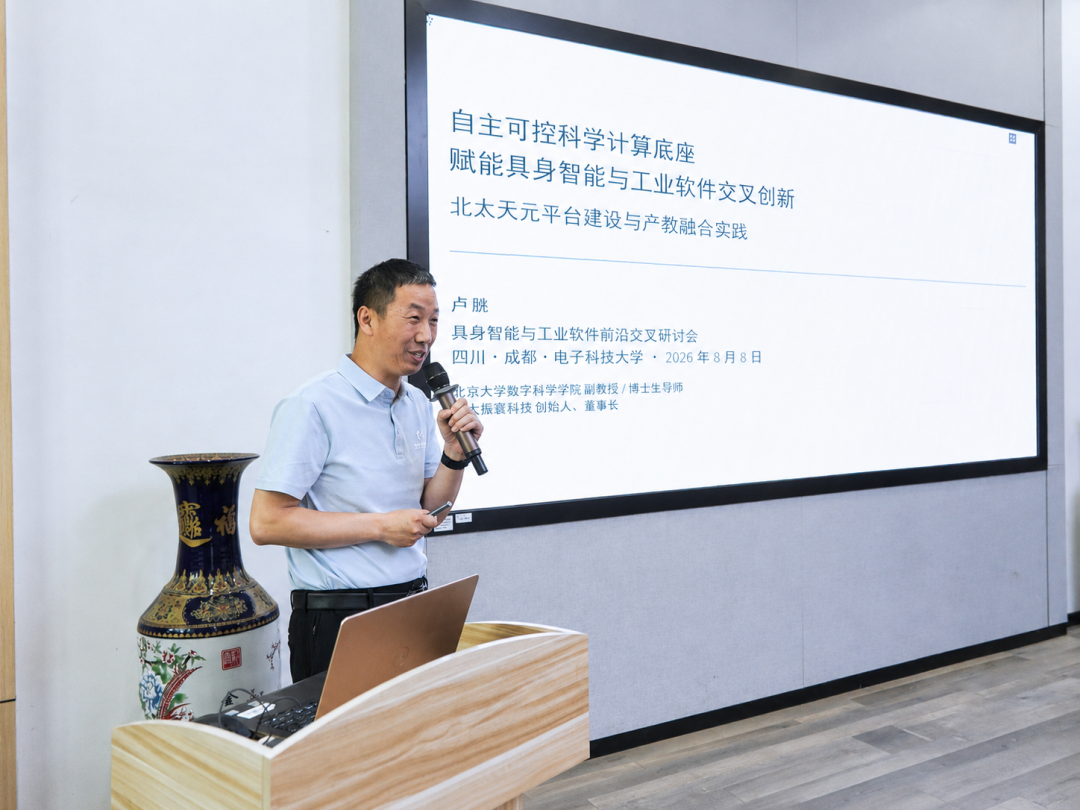
Associate Professor Lu Tiao of Peking University delivered a report titled Independently Controllable Scientific Computing Foundations Empowering Cross-Innovation in Embodied Intelligence and Industrial Software: Development of the Beitai Tianyuan Platform and Industry–Education Integration Practices. He introduced the algorithm libraries, solvers, and platform capabilities of the Beitai Tianyuan general scientific computing platform, discussed approaches for migrating domain-expert algorithms to domestic computing foundations, and outlined applications in robot dynamics simulation, electromagnetic computation, joint research centers, customized simulation toolkits, and practical course training.
Simulation Engineer Yang Du from Linquan Motor XXX presented Multiphysics Simulation Technology and AI Intelligent Design Platform Development for Aerospace Special Motor Systems. The report addressed design challenges involving extreme thermal, mechanical, electromagnetic, and control-field coupling. It introduced a technical route combining multiphysics simulation with AI-assisted design, including a platform based on domestic open-source AI models, materials databases, offline design schemes, waveform-level performance simulations, and iterative optimization.
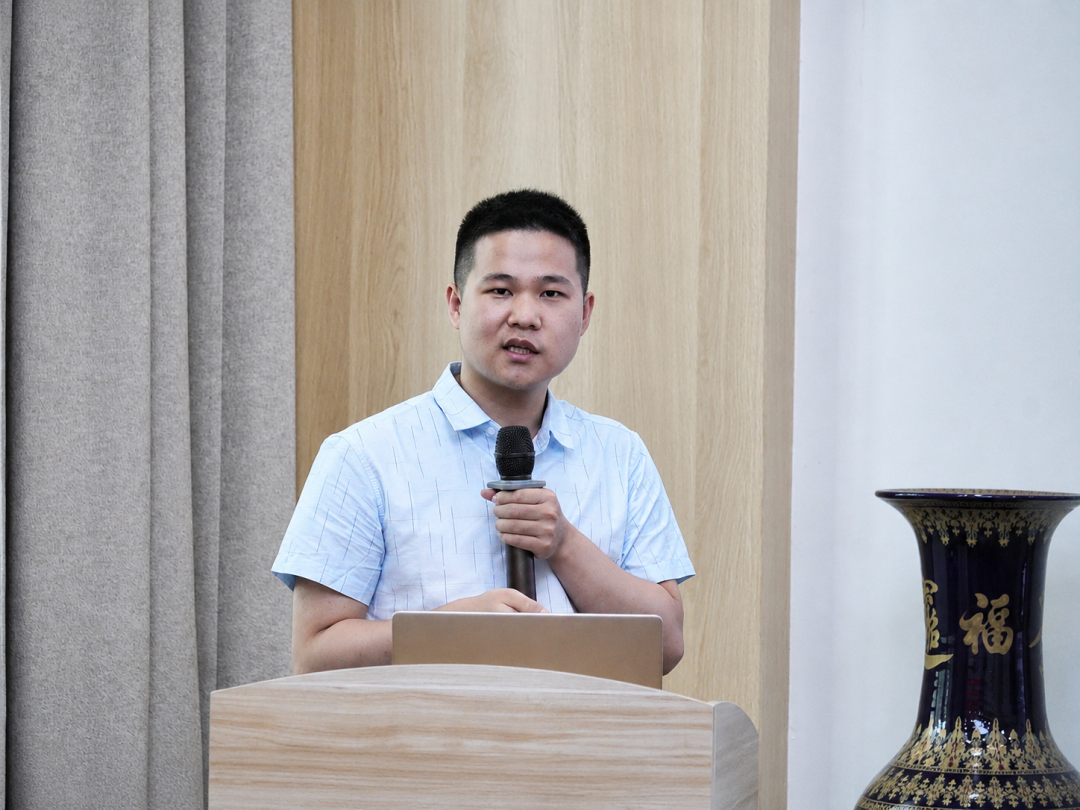
Mr. Zhou Aiming, Founder and Chairman of Guangzhou Huilipu Co., Ltd., presented Forging Agile Joints with Precision: Technological Innovation and Industrial Deployment of Adaptive Intelligent Joint Modules. His presentation analyzed challenges in localizing joint modules for embodied-intelligence robots, including power density, supply chains, and large-scale production costs. He introduced technical approaches involving motor design, adaptive coordinated control, electromechanical integration, and manufacturing processes, and discussed the advancement of core-component R&D and industrial-chain collaboration.
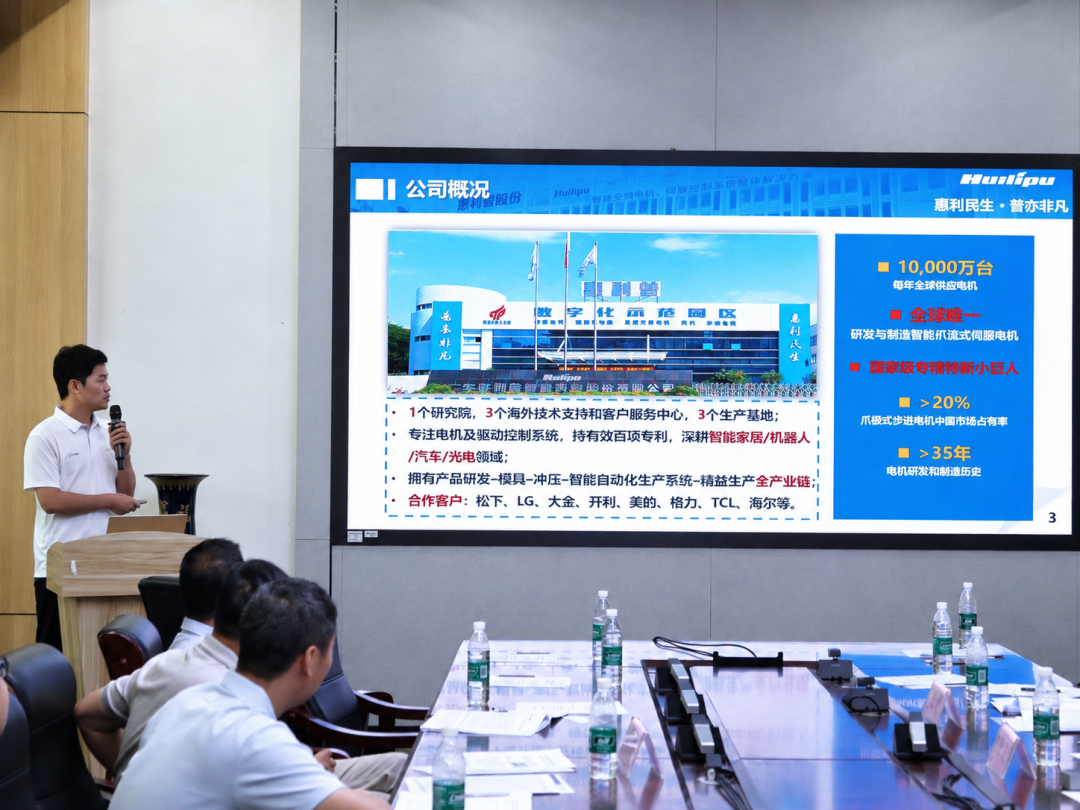
The symposium showcased recent work by participating institutions and enterprises in embodied intelligence, industrial software, and related industrial applications. It laid a foundation for interdisciplinary innovation spanning foundational algorithms, software platforms, equipment, and manufacturing applications, while providing support for future academic exchange and industry–university–research collaboration.