September 7, 2026
Open Source Empowers Embodied Intelligence: Workshop on Robot Innovation Ecosystem Held at UESTC
Workshop on Foundational Education and Discipline Development for Embodied Intelligence and the Second OpenAtom OpenLET Chengdu Working Group Meeting Concludes Successfully
Date: September 5; Venue: Qingshuihe Campus, University of Electronic Science and Technology of China (UESTC).
On September 5, the Workshop on Foundational Education and Discipline Development for Embodied Intelligence, together with the second OpenAtom OpenLET Chengdu Working Group meeting, was successfully held at UESTC's Qingshuihe Campus. Under the theme “Open Source Empowers Embodied Intelligence, and Industry-Education Collaboration Builds a Robot Innovation Ecosystem,” the event was hosted by the OpenAtom OpenLET Embodied Intelligence Open Dataset Community and co-organized by Leju Robot, the School of Mechanical and Electrical Engineering at UESTC, and the Sichuan Robot Engineering Society.
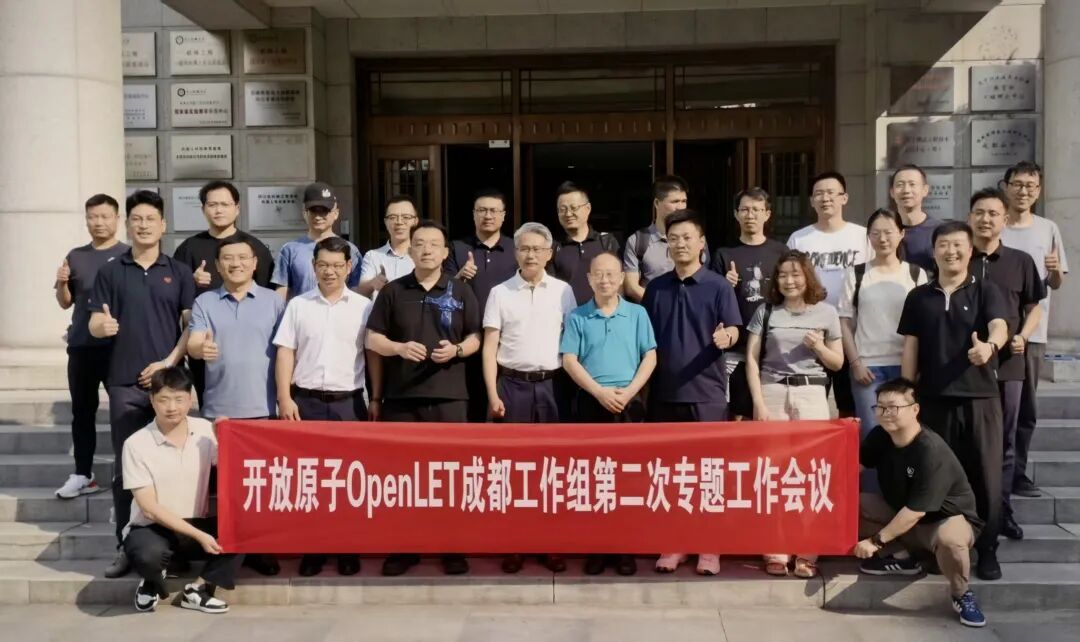
Experts and representatives from universities, research institutes and industry across Sichuan gathered to discuss discipline development, talent cultivation and industry-education collaboration in embodied intelligence, jointly exploring new approaches to an innovation ecosystem in western China.
Opening Remarks: Building on Western China's Strengths and Addressing Industry Challenges
Professor Cheng Hong, President of the Sichuan Robot Engineering Society, Dean of UESTC's School of Mechanical and Electrical Engineering, and Director of the OpenLET Chengdu Working Group, delivered the welcome address.
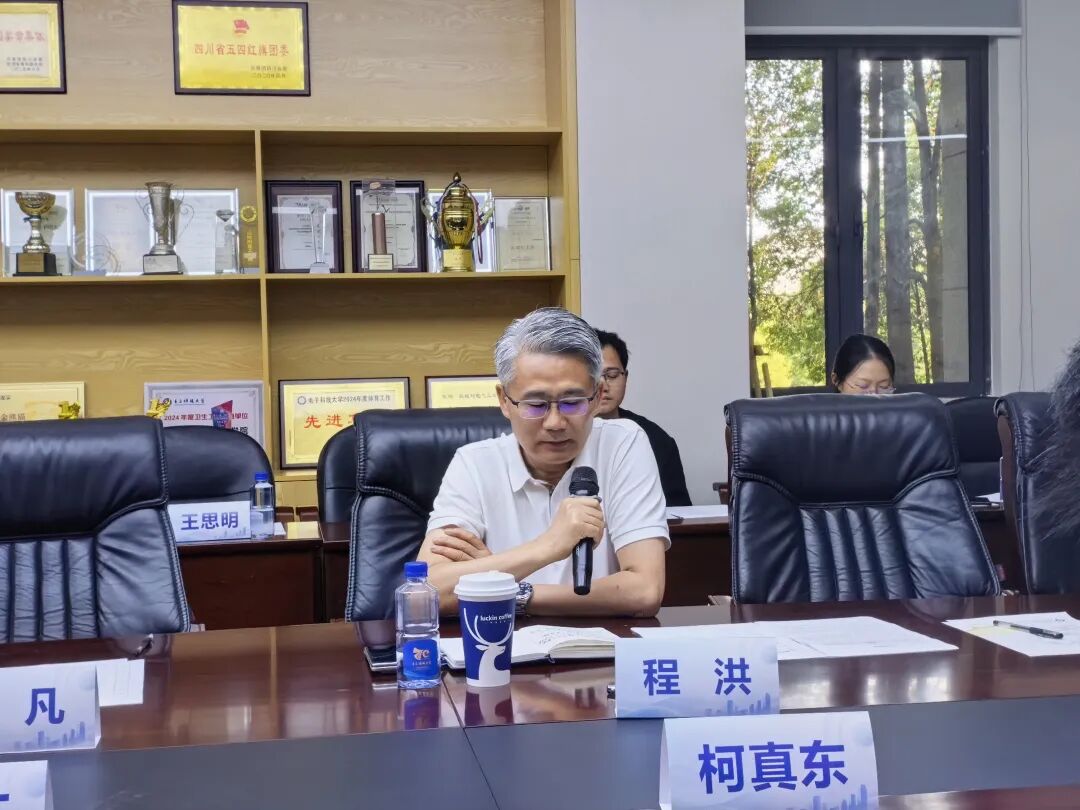
Professor Cheng noted that embodied intelligence and humanoid robots are key frontiers of next-generation artificial intelligence and an important driver of new quality productive forces. While robot hardware and motion-control technologies are advancing rapidly, shortages of high-quality real-world interaction data, data silos and high R&D barriers continue to constrain technological innovation, disciplinary development and industrial deployment. Open datasets provide a critical foundation for addressing these challenges.
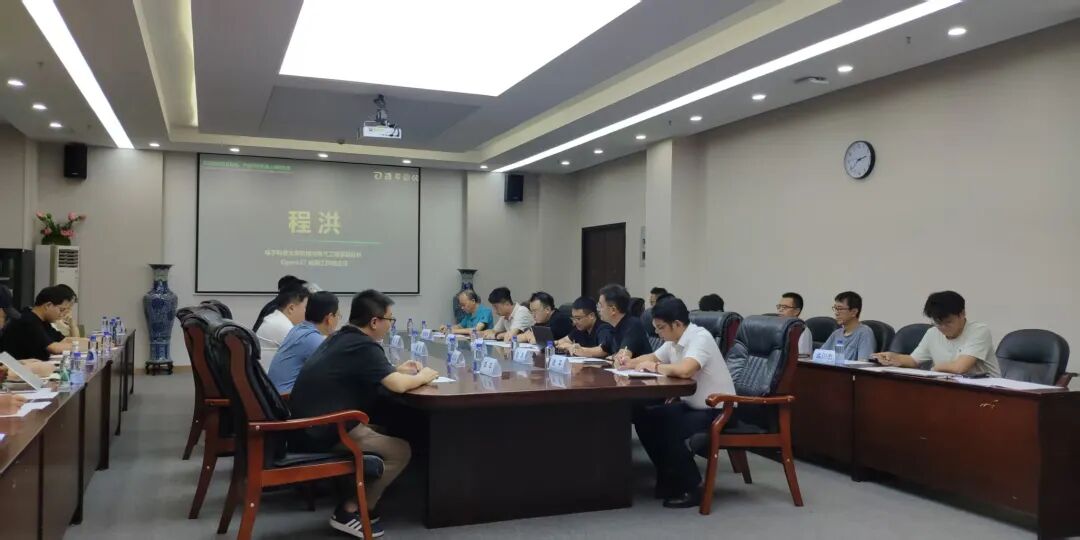
The OpenLET Chengdu Working Group will build on western China's strengths in university research, electronic information and intelligent manufacturing. By connecting universities, research institutions, professional societies and enterprises, it will strengthen open data resources for regional vertical domains, lower R&D costs for researchers and small and medium-sized enterprises, and create an open, shared innovation platform for industry-education integration.
Three Key Initiatives Released to Connect Research, Education and Industry
Three major initiatives were released at the workshop, connecting research, education and industry through an open research fund, innovation competitions, and an academic and industry conference.
Open Research Fund for Embodied Intelligence and Humanoid Robot Industry-University-Research Collaboration: Professor Fan Mo, Deputy Director of the Ministry of Education Engineering Research Center for Human-Machine Intelligent Technology and Systems, introduced the research themes, application requirements and supporting research resources. Ke Zhendong, Executive Vice President of Leju Robot, outlined the collaboration model, industrial support resources, technology-transfer orientation and timeline. Together, they launched the initiative to connect research with industry and accelerate technology transfer through the open-source platform.
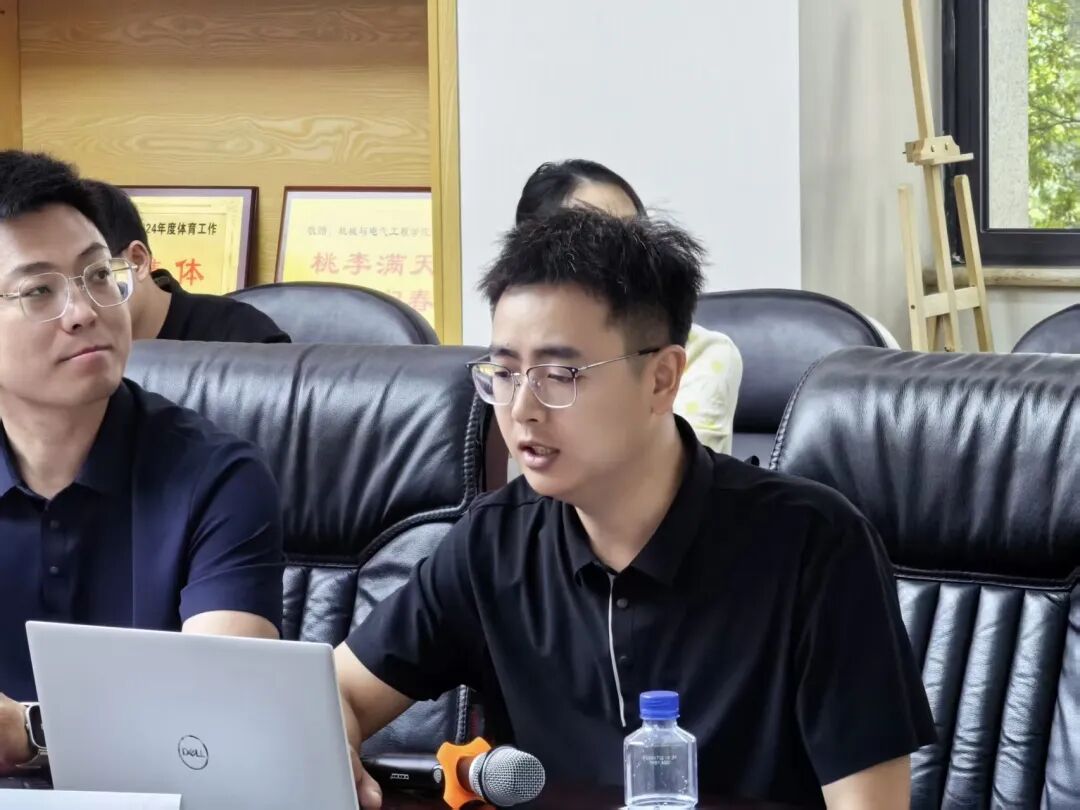
Leju Industry Track of the China International College Students' Innovation Competition: Liu Yang, Deputy Secretary-General of the OpenLET Chengdu Working Group, explained the track's themes, eligibility, registration process, and support including open datasets, hardware and mentorship, helping students and faculty turn open-source technology into innovation practice.
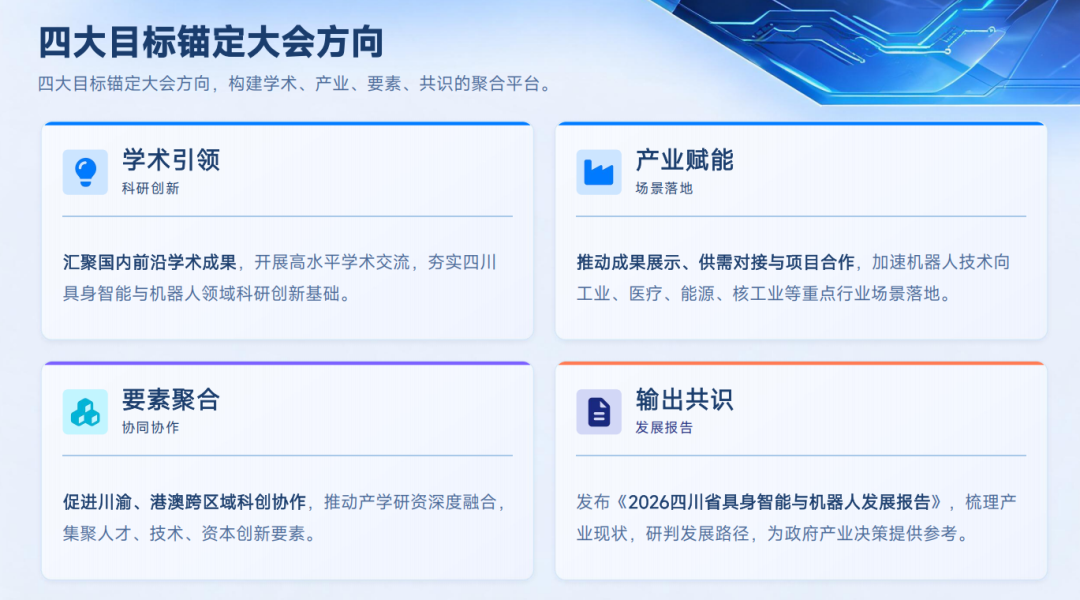
Preparation for the 2026 Sichuan Embodied Intelligence Academic and Industry Conference: Fu Weibin, Secretary-General of the Sichuan Robot Engineering Society and Director of Technology Transfer at UESTC's Robotics Research Center, introduced the conference preparations and invited universities, research institutions and companies across the province to submit work, exhibit and collaborate.
In-Depth Exchanges on Curriculum, Talent, Science Education and Open Source Implementation
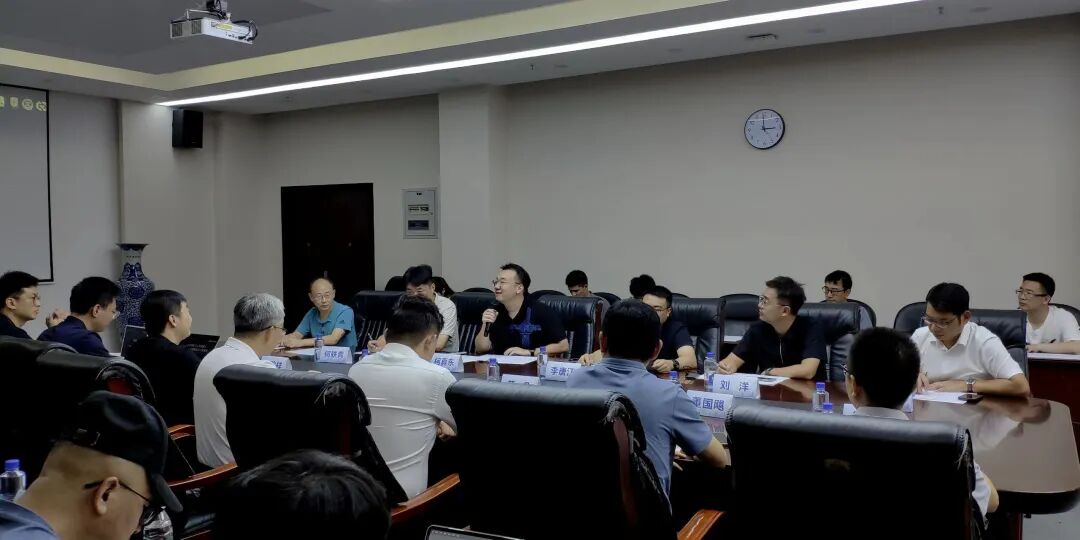
During the thematic exchange, participants discussed five areas: university curriculum and teaching resources; innovation talent and industry-education training for undergraduate and graduate students; science education for primary and secondary schools; OpenLET datasets for teaching competitions; and next steps for the Chengdu Working Group's industry-education collaboration. Li Tangjiang, head of scientific research at Leju Robot, shared practical experience in building an embodied intelligence curriculum. Participants exchanged views on curriculum development, talent cultivation, open-source adoption and industry-education collaboration.
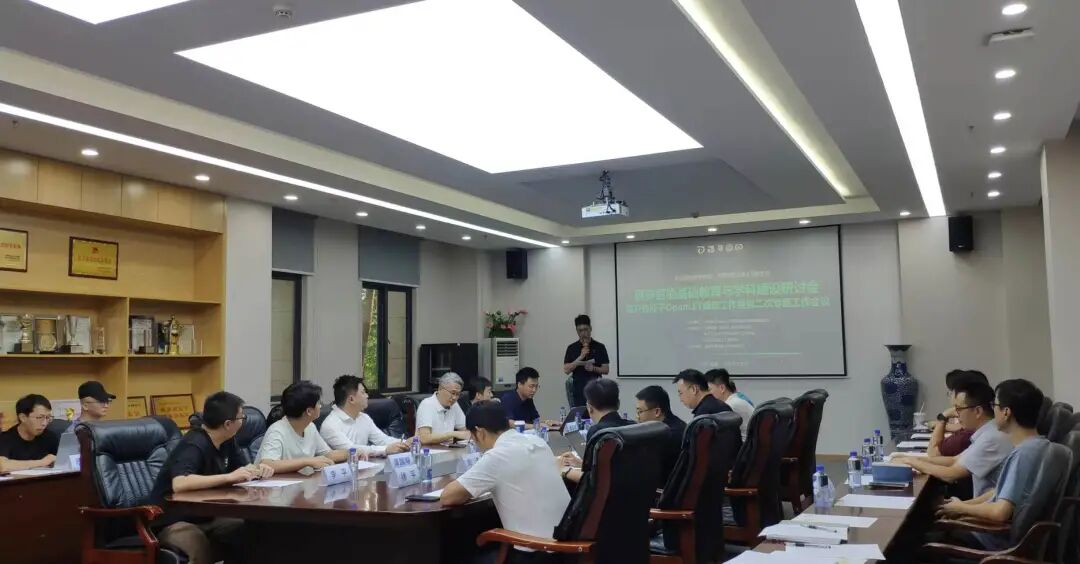
Closing: Consolidating Partnership for an Industry-Education Ecosystem in Western China
At the close of the event, Ke Zhendong summarized the shared outcomes and next priorities, and Professor Cheng delivered concluding remarks. Participating organizations developed a number of potential collaborations, laying a foundation for an industry-education ecosystem for embodied intelligence and humanoid robots in western China.
The meeting was both a review of the OpenLET Chengdu Working Group's early work and a joint plan for the future. With the support of the Sichuan Robot Engineering Society, all parties will continue to deepen practical collaboration in joint research projects, academic competitions, talent training and community building through the OpenLET platform. The effort will use open source to empower teaching and research and let industry needs guide discipline development, contributing to high-quality growth of the regional innovation ecosystem.
The Sichuan Robot Engineering Society will continue to serve as a bridge among universities, research institutes and enterprises, advancing discipline development, talent cultivation, academic exchange and industry engagement in robotics and embodied intelligence.